
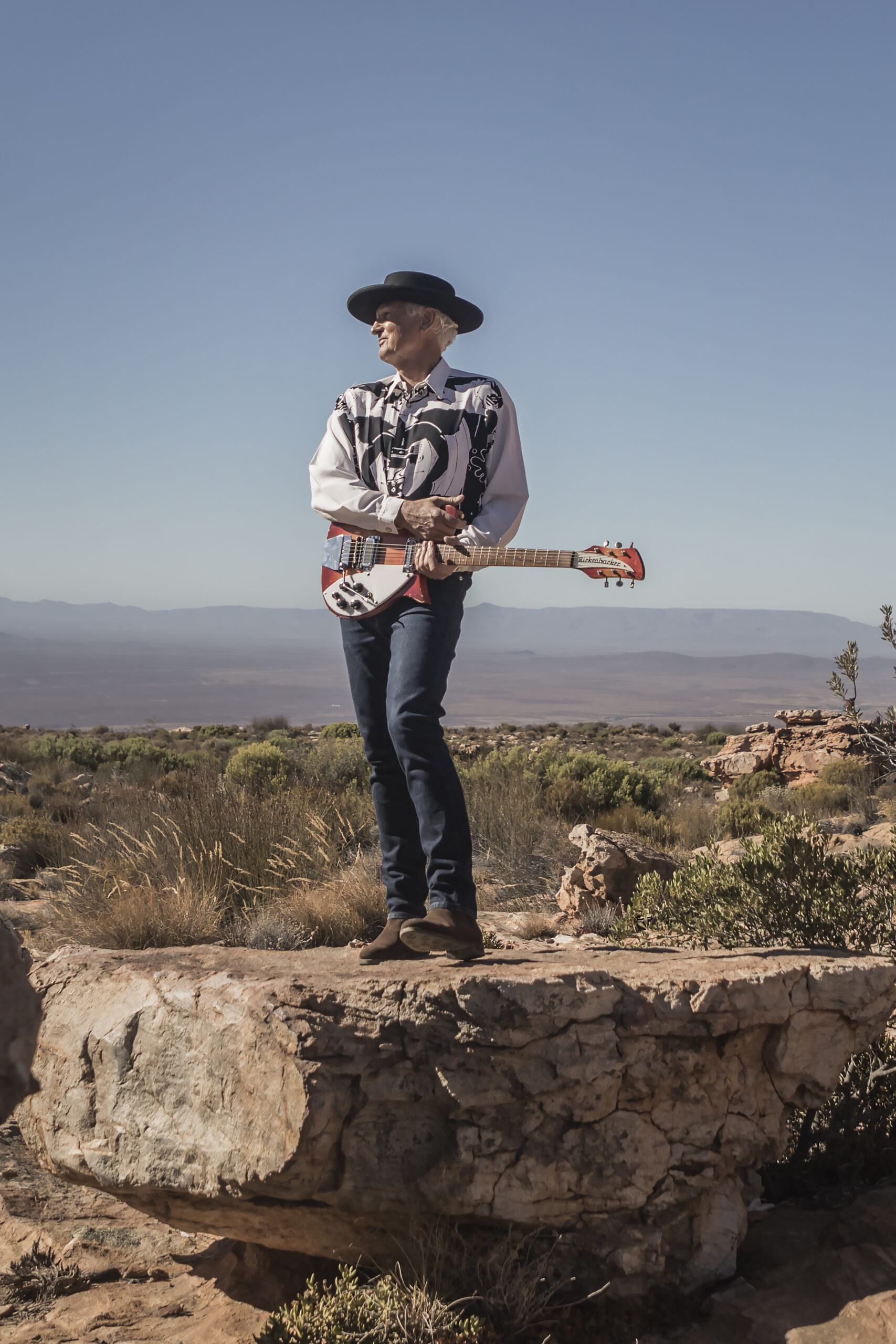
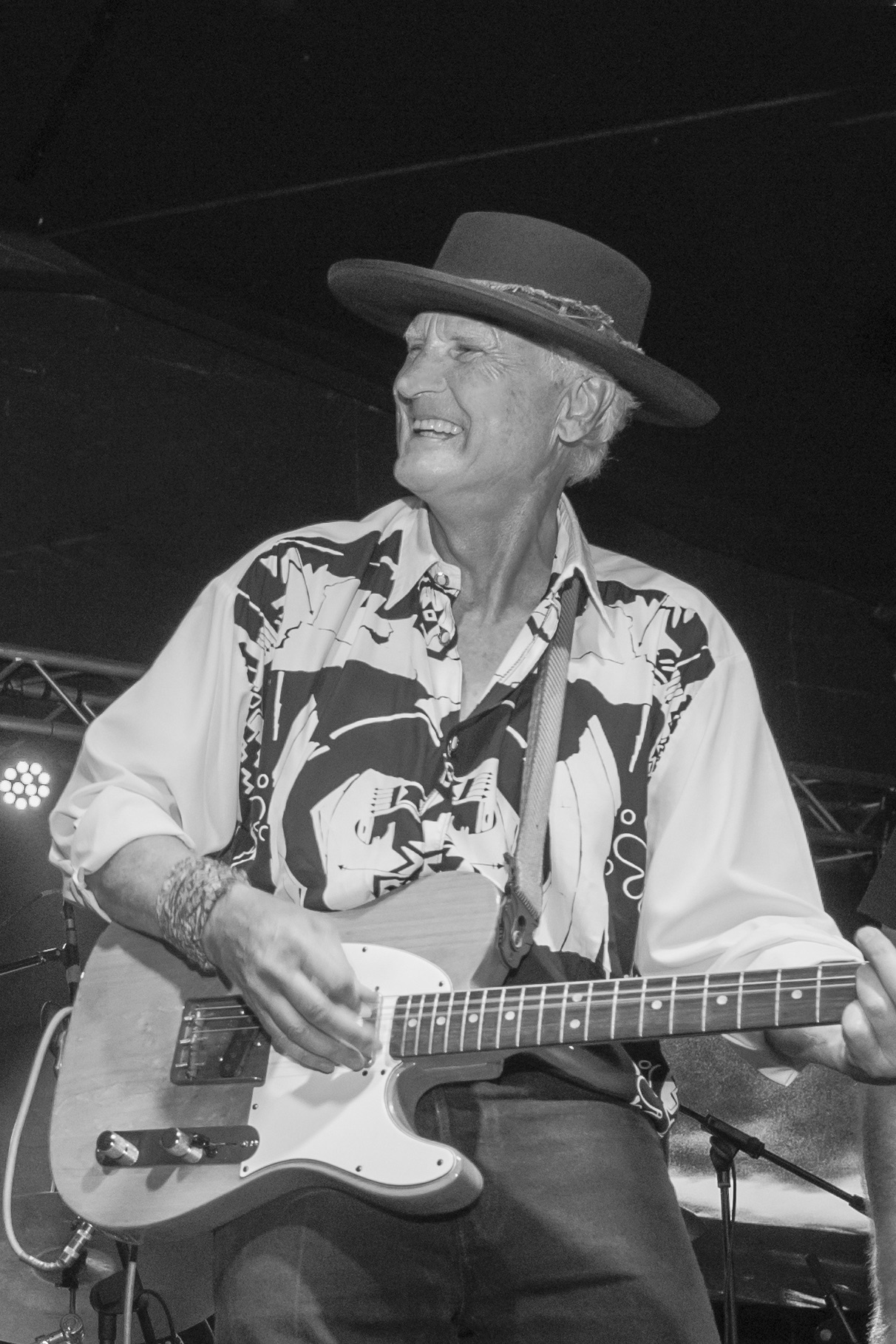
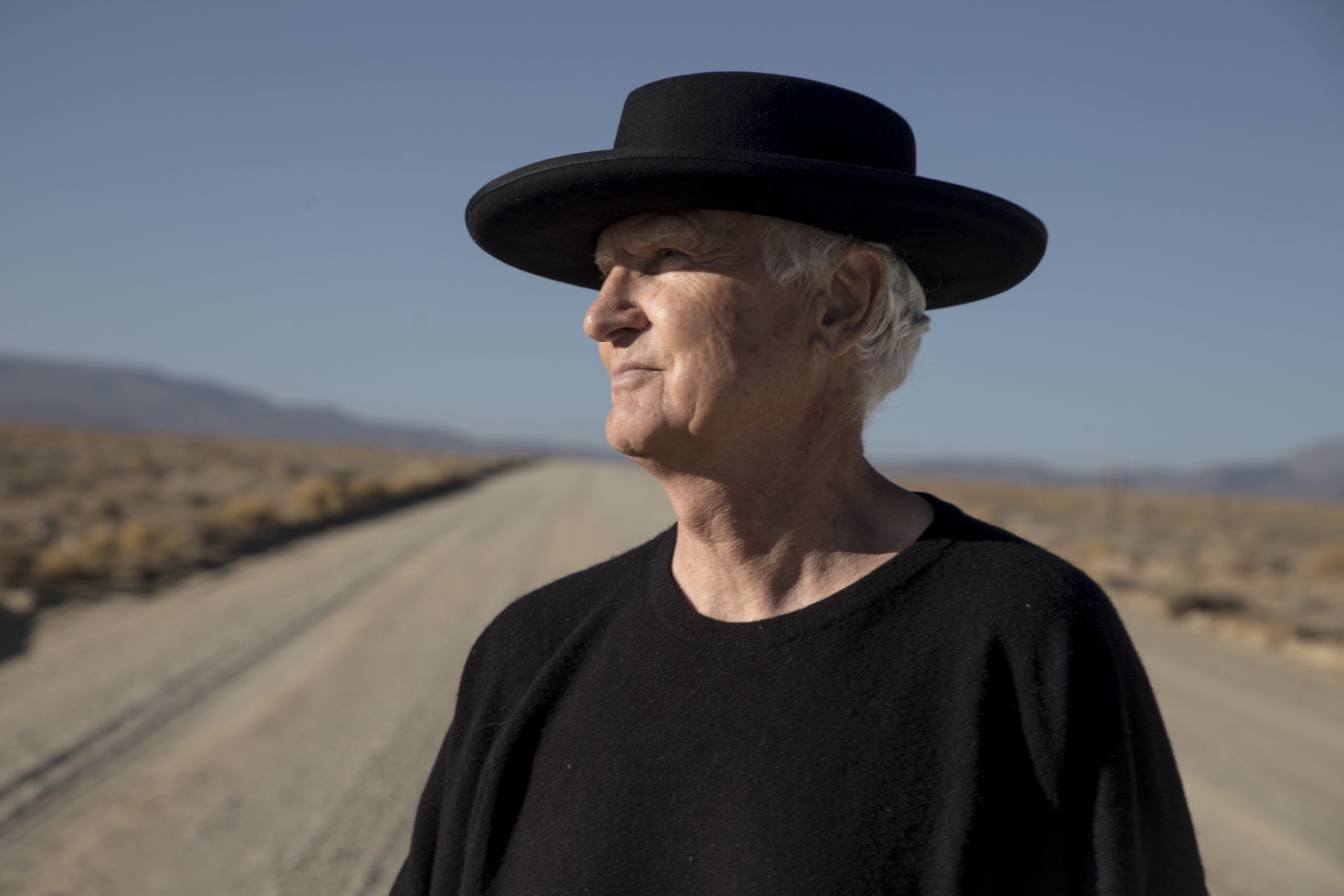
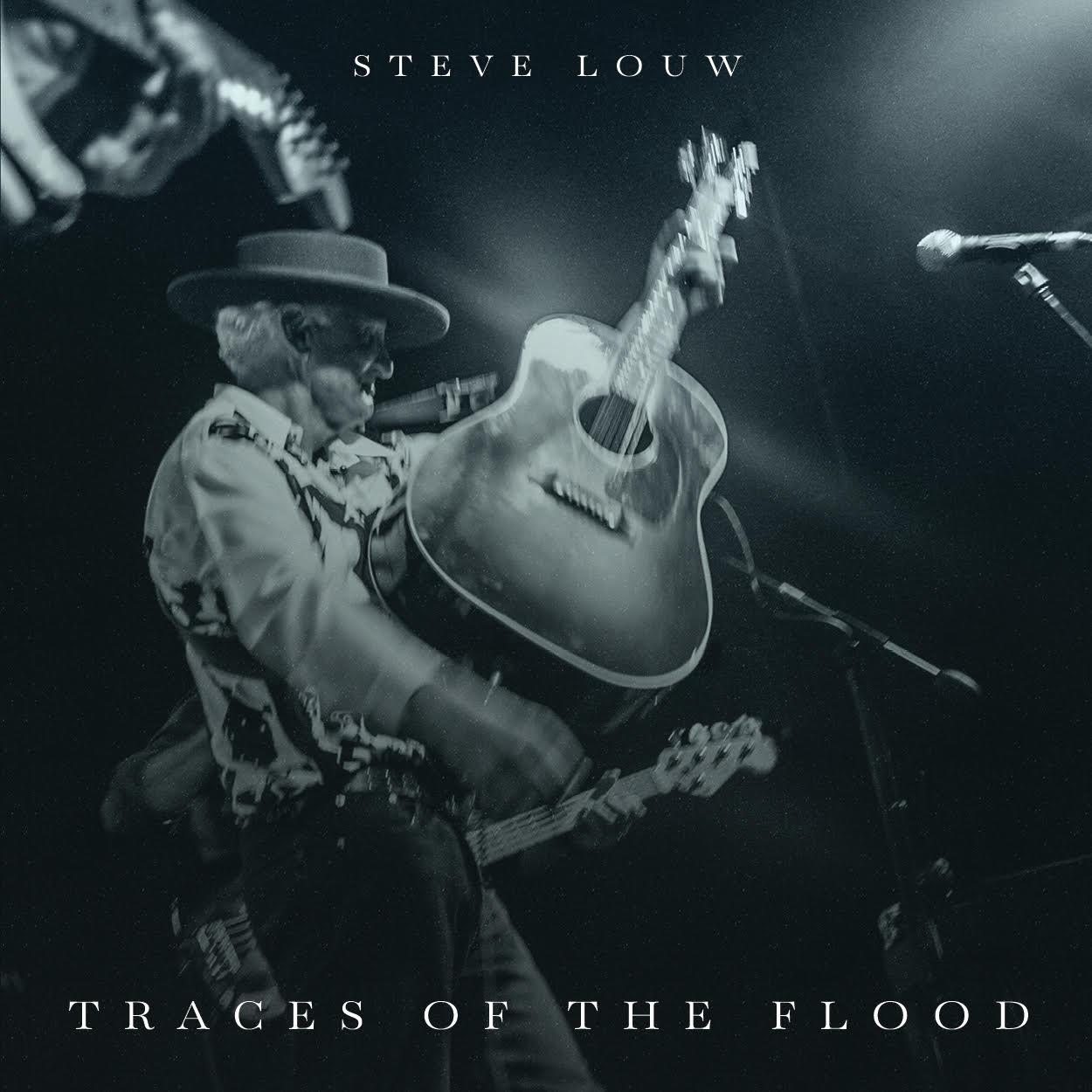
Few artists find a late-career creative surge as powerful as the one Steve Louw is currently riding. With the release of his 2026 album Traces of the Flood, the South African singer-songwriter and guitarist delivers one of the strongest records of his long career — a raw, instinctive album that captures the sound of a seasoned songwriter and a band fully locked into the moment.
Produced by Louw’s longtime collaborator Kevin Shirley (Joe Bonamassa, Black Country Communion, Beth Hart, Joanne Shaw Taylor), Traces of the Flood was recorded at Nashville’s historic RCA Studio with a tight-knit group of musicians including guitarists Doug Lancio and Bob Britt, and drummer Greg Morrow. The ten-track album blends rock, blues, country and Americana, leaning into the energy of musicians playing together live in the room.
Much of the record came together organically during the sessions. “Echo Dream” began with three acoustic guitars played simultaneously, while the album’s first single “Time to Move” grew from a simple riff and quickly settled into a groove driven by a chiming 12-string guitar. Elsewhere, songs like “CBGB Xmas” were captured in single takes, preserving the loose immediacy that defines the album’s sound.
Traces of the Flood continues a remarkable run of creativity for Louw. Following Headlight Dreams (2021), Thunder & Rain (2022), and Between Time (2024), the album marks his fourth solo release in just five years, reaffirming his place as one of South Africa’s most enduring rock songwriters.
Born Steve Louw grew up in Cape Town and first picked up the guitar after hearing artists such as Bob Dylan, The Rolling Stones and Neil Young. His professional recording career began in the early 1980s with the band All Night Radio, which released two albums — The Heart’s the Best Part (1984) and The Killing Floor (1986). The latter marked the beginning of Louw’s long-standing partnership with producer Kevin Shirley.
Louw later formed the band Big Sky, whose debut album Waiting for the Dawn arrived in 1990 as South Africa began its transition away from apartheid. The album’s title track has since become a South African rock classic, and the band went on to release a string of acclaimed records including Horizon (1995), Going Down with Mr Green (1997), Beyond the Blue (2002) and Trancas Canyon (2008).
Big Sky achieved major success with radio hits such as “Kathleen,” “Mr Green,” “One Cut With a Knife,” “Strange Room,” and “Diamonds and Dirt.” In 1996 the band won the FNB South African Music Award for Best Pop Music Performance and Best Rock Album for Horizon.
In 1998 Big Sky opened for the legendary American singer-songwriter Rodriguez on his celebrated South African tour, with members of the band also serving as his backing group — a moment later captured in the Academy Award-winning documentary Searching for Sugar Man.
Louw’s international collaborations have also included recording the song “Amandla” with Brian May of Queen and Dave Stewart of Eurythmics for the 46664 AIDS awareness campaign inspired by Nelson Mandela.
Inducted into the South African Rock Hall of Fame in 2003, Steve Louw remains a vital voice in guitar-driven songwriting. With Traces of the Flood, he continues to prove that some artists only grow stronger with time.
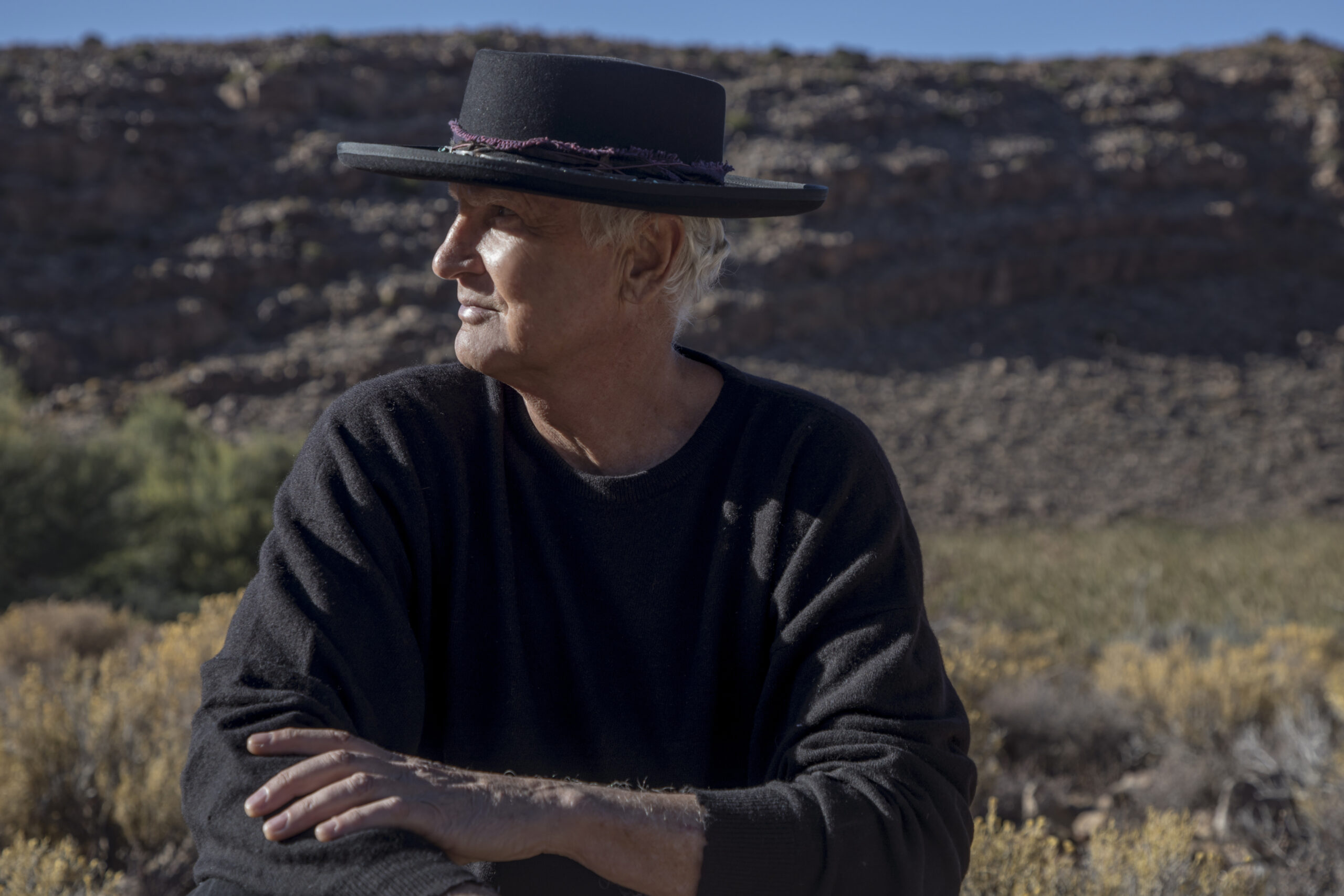
Photo: Jacqui van Staden
Steve Louw News